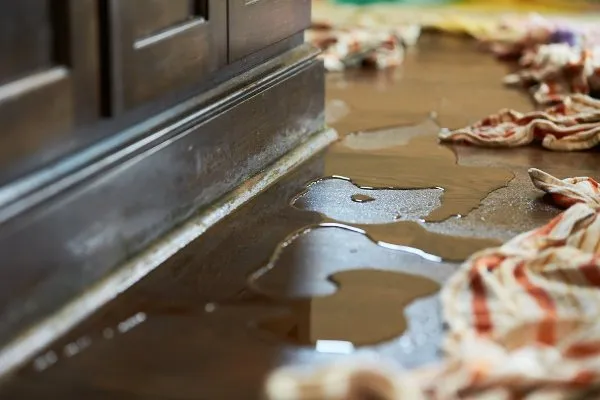
Severe storms in Atlanta, GA can create much more damage than many homeowners initially realize. While obvious roof leaks and flooding are easy to spot, hidden moisture problems often continue developing long after the storm passes. Water can enter through roofing systems, siding gaps, foundation cracks, windows, crawl spaces, and attic areas before slowly spreading into structural materials.
Without proper inspection and drying, hidden storm damage can lead to mold growth, weakened building materials, and expensive repairs.
Roof Damage Often Leads To Hidden Moisture
Heavy rain and strong winds frequently damage shingles, flashing, gutters, and roofing materials during storms. Even small openings in a roof can allow water to penetrate attic insulation, framing, and ceilings.
The problem is that roof related water intrusion is not always immediately visible inside the living space. Moisture may remain trapped above ceilings or inside wall cavities for days before visible stains appear.
Wind Driven Rain Can Enter Through Exterior Gaps
Storm damage is not always limited to the roof. Wind driven rain can enter through siding gaps, damaged seals around windows, exterior doors, and small cracks in the building envelope.
Once moisture enters the structure, it can spread into insulation, drywall, framing, and flooring materials where it becomes difficult to detect without professional equipment.
Basements And Crawl Spaces Are Vulnerable During Storms
Atlanta storms often produce heavy rainfall that can overwhelm drainage systems and allow groundwater intrusion into basements and crawl spaces.
When water enters below grade areas, moisture levels can remain elevated for extended periods. Crawl spaces and basements with poor airflow are especially vulnerable to mold growth after flooding or storm related water exposure.
Hidden Moisture Can Cause Mold Growth Quickly
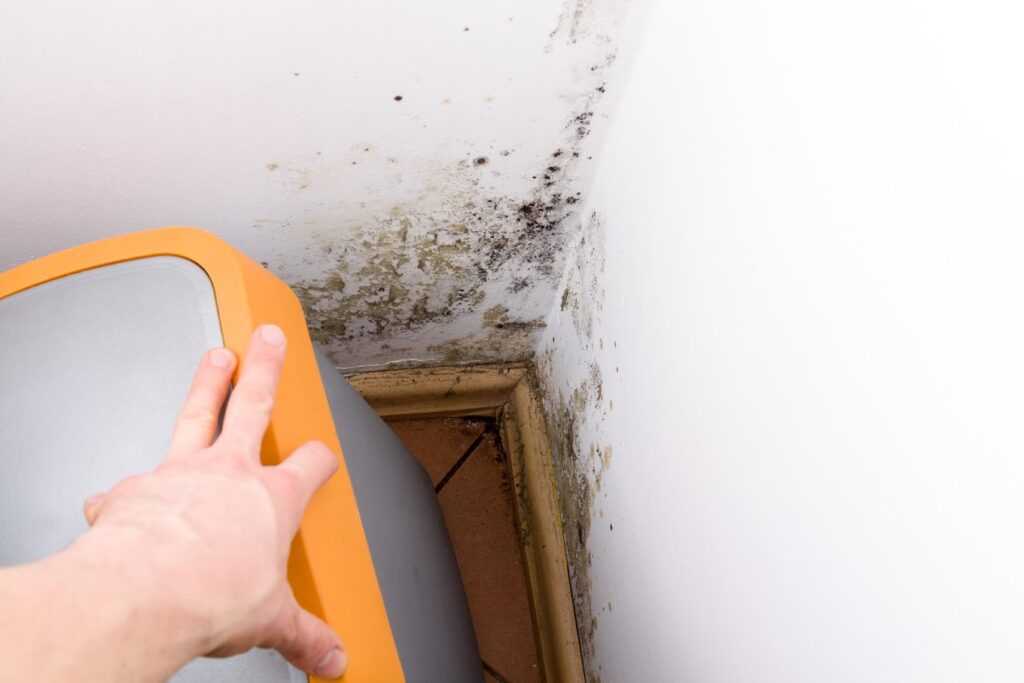
One of the biggest concerns after storm damage is mold development. Mold can begin forming within 24 to 48 hours when moisture remains trapped inside structural materials.
Because hidden moisture is difficult to see, many homeowners assume the property is dry when moisture still exists behind walls or beneath flooring.
Professional storm damage restoration includes moisture mapping, structural drying, dehumidification, and ongoing monitoring to ensure the structure is fully stabilized.
Common Signs Of Hidden Storm Damage
After severe weather, homeowners should watch for warning signs that may indicate hidden water intrusion:
Ceiling stains
Musty odors
Warped flooring
Peeling paint
Damp drywall
Increased indoor humidity
Mold growth near vents or baseboards
These issues should never be ignored because they often indicate deeper moisture problems inside the structure.
Why Professional Drying Matters
Fans and household dehumidifiers may help with surface moisture, but storm related water damage often requires commercial drying equipment and professional moisture detection.
Water trapped inside structural materials can continue causing damage long after the storm if proper mitigation is delayed.
Professional storm damage restoration in Atlanta, GA helps:
Remove trapped moisture
Prevent mold growth
Protect structural integrity
Improve indoor air quality
Reduce long term repair costs
Fast Storm Damage Restoration Helps Limit Long Term Damage
The sooner storm damage is addressed, the easier it is to limit moisture spread and protect the property from additional deterioration.
At Xtreme Disaster Restoration, we provide storm damage cleanup, structural drying, moisture detection, flood cleanup, and restoration services throughout Atlanta, GA and nearby areas.