Water damage can happen fast and create serious problems inside a home before most property owners fully realize what is happening. A burst pipe, appliance leak, overflowing fixture, roof leak, or storm related flooding can quickly spread moisture into flooring, drywall, insulation, cabinets, and structural materials. In Atlanta, GA, heavy rain and severe weather can make the situation even worse when water intrusion is left untreated.
The first few hours after water damage are extremely important. Fast action helps reduce structural damage, limits moisture spread, and lowers the risk of mold growth. Knowing what steps to take immediately after discovering water damage can help protect both your property and your health.
Start By Stopping The Water Source
The first priority is stopping additional water from entering the property whenever possible. If the damage is caused by a plumbing leak, burst pipe, appliance failure, or overflowing fixture, shut off the water supply immediately. If storm damage caused the issue, avoid unsafe areas and wait until conditions are safe before inspecting the property.
Water continues spreading the longer it remains active. Even small leaks can soak into surrounding materials quickly and create hidden moisture problems behind walls or beneath flooring.
Protect Safety Before Entering Affected Areas
Water damage can create serious safety risks inside a home. Water near electrical outlets, appliances, or exposed wiring should always be treated carefully. If water levels are significant, avoid walking through flooded areas until the power has been safely disconnected.
Structural materials can also become unstable after heavy water exposure. Soft flooring, sagging ceilings, and weakened drywall should never be ignored.
Remove Excess Water If Possible
If the water damage is minor and conditions are safe, removing standing water quickly can help limit additional damage. Towels, mops, wet vacuums, and fans may help with smaller situations. However, surface drying alone is rarely enough after significant water exposure.
Water often spreads beneath flooring, behind walls, and into insulation where moisture remains trapped. Professional moisture detection equipment is usually needed to locate hidden water properly.
Move Belongings Away From Moisture
Furniture, electronics, rugs, documents, and personal belongings should be moved away from affected areas whenever possible. The longer materials remain wet, the higher the risk of permanent damage.
Removing items early can also improve airflow throughout the space and help speed up the drying process.
Avoid Delaying Professional Drying
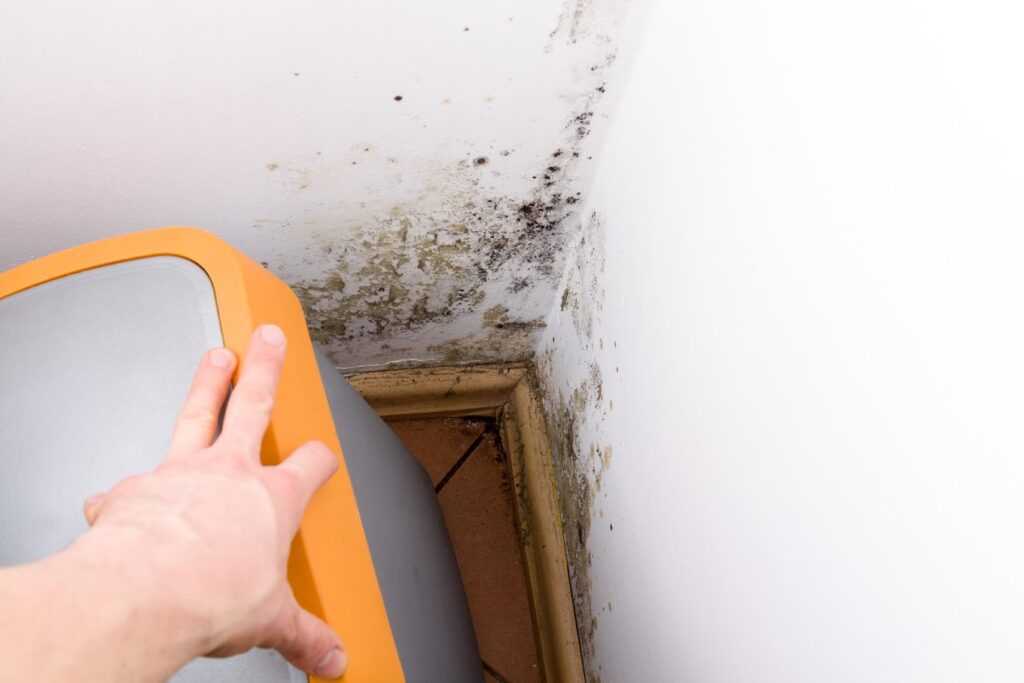
One of the biggest mistakes homeowners make after water damage is assuming everything is dry once surface moisture disappears. Hidden moisture inside structural materials can continue causing damage long after visible water is gone.
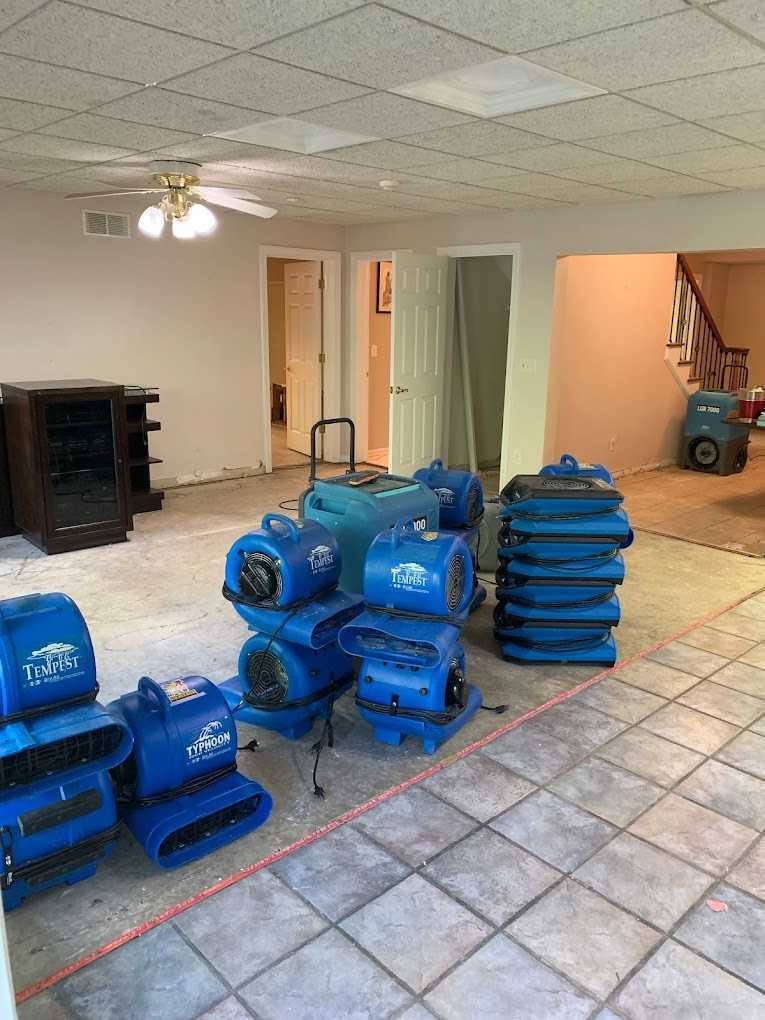
Professional water damage restoration in Atlanta, GA typically includes:
Moisture detection and thermal imaging
Emergency water extraction
Structural drying
Commercial dehumidification
Moisture monitoring
Cleaning and sanitation
Proper drying helps reduce the risk of mold growth, structural deterioration, and long term moisture issues.
Watch For Signs Of Hidden Water Damage
Even after cleanup begins, it is important to monitor the property for warning signs of hidden moisture. Common signs include:
Musty odors
Warped flooring
Bubbling paint
Damp drywall
Ceiling stains
Increased humidity indoors
These issues often indicate trapped moisture that requires additional drying or restoration work.
Fast Response Helps Protect Your Property
Water damage spreads quickly, but early mitigation can significantly reduce the severity of the damage. Acting fast helps protect structural materials, improve indoor conditions, and prevent larger restoration costs later.
At Xtreme Disaster Restoration, we help homeowners and businesses across Atlanta, GA with emergency water extraction, structural drying, moisture detection, flood cleanup, and complete water damage restoration services.